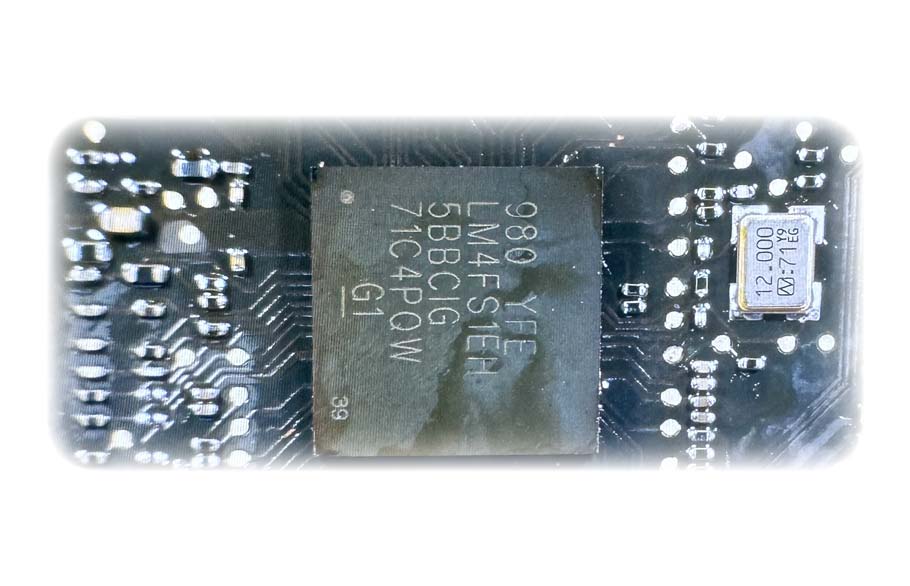
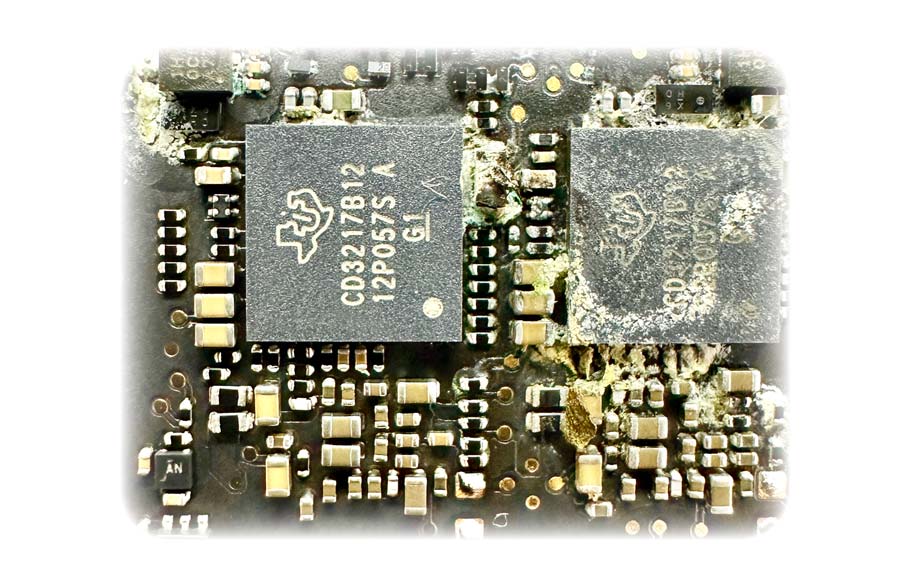
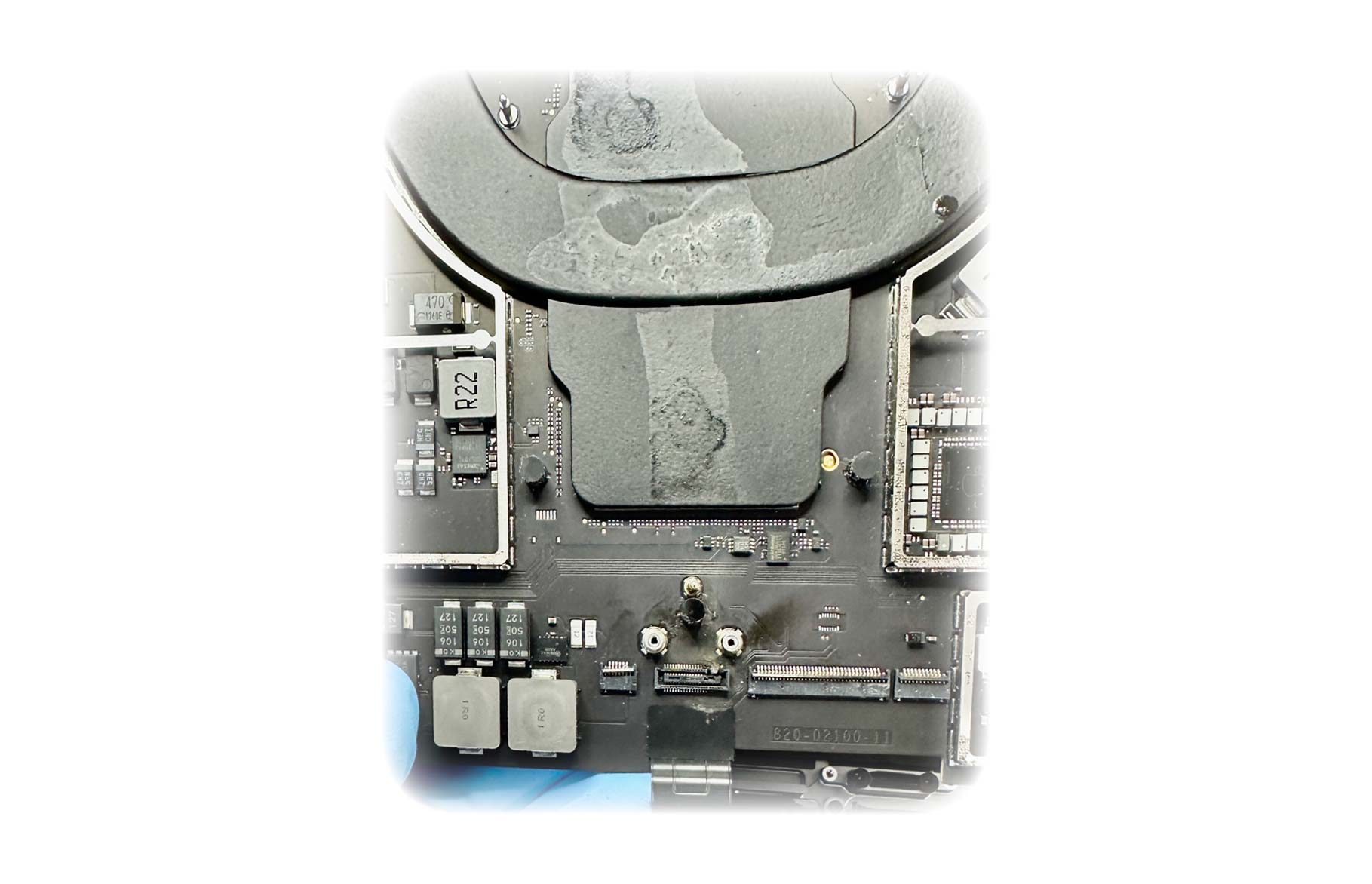
Ultrasonic Cleaning and Professional Cleaning is the only way you can safely get rid of corrosion. If a chipset is damaged, it needs a replacement or reflow. In 99% of cases, your MacBook's destiny is in your own hands and how you react to a liquid damage incident determines the cost. Unfortunately there is a lot of misinformation online about how to deal with liquid damage. Remember that these videos and articles may reflect 1 % of the liquid damage stories that turned out to be a positive twist, and those who comment on them with a positive tone, could be the only ones who had a positive experience doing what the article or video suggested them to do, majority of cases do not have such outcome. Its basic logic. Liquid will dry and turn in to corrosion, you may get lucky and the corrosion could be on an empty part of the board/part and write an article about it, or it may have touched a component, and in that case its a matter of time before it shorts two probes that are not supposed to be short and it fries up that whole probe and component. You can take your chances by not repairing your Macbook/having it checked, but you can also save a lot of time/hassle and money by reacting to it in a quick manner and have it fixed before more issues arise. If device is fixed properly, more issues usually do not come up over time. If its dealt with in an unprofessional way, then more issues will come up over time. Some repair entities don't mind it at all if you wait long enough so more damages come up, so more money can be made and perhaps this can explain the goal behind such false claims online. Simple rule you can follow is LIQUID DOES NOT DISAPPEAR ON ITS OWN. IT CAN ONLY DRY AND LEAVE CORROSION BEHIND ON ANYWHERE IT HAS TOUCHED.